
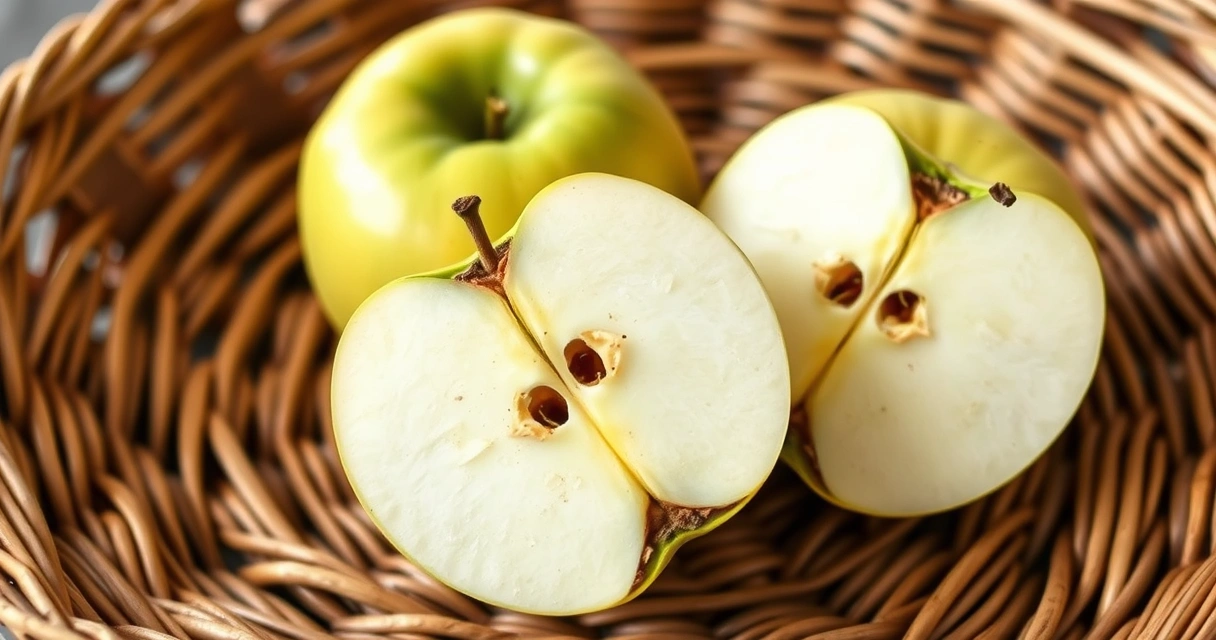
Custard apple season in Pakistan runs from September to November and peaks in October. Sharifa (شریفہ) comes from Sindh and Punjab, and the fruit is sold for roughly ten weeks a year before it disappears entirely.
Custard apple is the shortest major fruit season in the Pakistani calendar and one of the few fruits with no cold storage tail behind it. This page covers the month by month season, the growing regions, how to tell when sharifa is ripe, how to store the fruit, and how sharifa differs from the other annona fruits sold under similar names. The full year sits in the guide to seasonal fruits in Pakistan.
When Is Custard Apple Season in Pakistan?
Custard apple season in Pakistan opens in September, peaks in October, and closes in November. The fruit takes two to three months to ripen on the tree, and the tree blooms twice a year, which sets the arrival window. The table below shows the state of the crop in each month of the year.
| Month | Crop status | What is in the market |
|---|---|---|
| January | Out of season | No custard apple |
| February | Out of season | No custard apple |
| March | Out of season | No custard apple |
| April | Out of season | No custard apple |
| May | Flowering | No fruit in the market |
| June | Fruit set | No fruit in the market |
| July | Fruit developing on the tree | No fruit in the market |
| August | Fruit sizing | No fruit in the market |
| September | Season opens | First lots from Sindh and Punjab, late in the month |
| October | Peak | Full supply, largest fruit and heaviest volume of the season |
| November | Season ends | Thinning supply, quality falls week by week |
| December | Out of season | No custard apple |
September is the month sharifa first appears, alongside pomegranate and the last of the mango crop, and the complete arrival list for that month is in the guide to September fruits in Pakistan. October is the only month sharifa reaches full supply, so a ten week season effectively becomes a four week buying window.
Where Does Pakistan Grow Custard Apple?
Sindh grows most of Pakistan’s custard apple, with a smaller crop in Punjab. The orchards sit in and around Karachi, in the suburbs and residential compounds of the city, and in Thatta district, where the frost free coastal climate suits a tropical annona.
Custard apple has no official fruit crop status in Pakistan. The Ministry of National Food Security and Research carries no custard apple line in its fruit area or production tables, which means the crop is not counted separately in national statistics even though sharifa is sold openly in Karachi, Hyderabad, Lahore, and Islamabad each autumn. The fruit is grown on a small scale by individual growers for their own use and for local marketing rather than on a commercial orchard footing.
Two consequences follow from that scale. Sharifa prices sit well above the seasonal average for Pakistani fruit because supply is thin, and the fruit rarely travels far from where it is grown, so the sharifa on sale in Karachi in October is usually local fruit picked within days.
Why the Crop Stays Small
The sharifa tree grows 5 to 10 metres tall and starts fruiting within two to three years of planting, so the barrier is not the tree. Mealy bugs and fruit maggots attack the crop heavily in some seasons and make a share of the fruit unfit to eat, and the fruit itself bruises easily and does not hold in transport. Both problems push growers toward local sale rather than commercial planting.
How Do You Tell When Sharifa Is Ripe?
Segment separation is the reliable sign. A ripe custard apple shows widening cream coloured gaps between the raised segments of the rind, and the whole fruit yields to gentle hand pressure.
Four checks tell a ripe sharifa from an unripe one. The checks are listed below in the order to apply them.
- Look at the segment lines: the knobby segments separate and show pale creamy tissue between them as the fruit ripens, while a hard green fruit has tight closed segments.
- Press the whole fruit gently: ripe sharifa gives evenly across the surface, the way a ripe avocado does, without any hard core.
- Check the colour shift: the rind moves from deep green to a lighter yellow green, and a dull chalky bloom is normal rather than a defect.
- Reject blackened or split fruit: dark patches and splits mean the fruit ripened past its point or was chilled, and the flesh inside will be brown.
Custard apple is picked mature but firm and finishes ripening off the tree, so a hard fruit bought in October is not a bad fruit. Sharifa left on the tree until fully soft usually splits and is lost.
How Do You Store Custard Apple?
Custard apple stores at room temperature, not in a refrigerator. Storage research on Annona squamosa records ripening in 4 days at 25 degrees Celsius, 6 days at 20 degrees Celsius, and 9 days at 15 degrees Celsius, and 15 degrees is the temperature that gives the longest shelf life without damage.
Cold is the mistake to avoid. Annona fruits develop chilling injury below roughly 8 to 12 degrees Celsius depending on cultivar and ripeness, and the symptoms are a darkened hardened skin, surface pitting, mealy flesh, and failure to develop flavour at all. A Pakistani refrigerator runs well below that threshold, so a firm sharifa put in the fridge in October will blacken instead of ripening.
The correct method is to hold firm fruit at room temperature until the segments separate and the fruit yields, then eat it within a day or refrigerate the pulp rather than the whole fruit. Custard apple is climacteric, meaning the fruit continues to ripen after picking and produces its own ripening gases, so ripening accelerates once it starts.
What Is the Difference Between Sharifa and Other Annona Fruits?
Sharifa is Annona squamosa, one of several annona species sold internationally under overlapping English names. The naming is genuinely confused, because the English term custard apple attaches to different species in different countries.
| Fruit | Botanical name | Common names | Distinguishing feature |
|---|---|---|---|
| Sharifa | Annona squamosa | Custard apple in Pakistan, sugar apple, sweetsop, sitaphal | Knobby separating segments, 5 to 10 cm across, grainy sweet flesh |
| Ramphal | Annona reticulata | Custard apple, bullock’s heart | Larger, smoother net patterned skin, softer and less sweet |
| Cherimoya | Annona cherimola | Cherimoya | Fine scaled smooth skin, 10 to 20 cm across, subtropical rather than tropical |
| Atemoya | Annona cherimola x squamosa | Atemoya | Hybrid of cherimoya and sugar apple, intermediate skin and size |
The fruit sold as sharifa in Pakistani markets is Annona squamosa in almost every case. Ramphal is the name used for Annona reticulata, which is uncommon in Pakistan, and cherimoya is not a Pakistani crop at all despite appearing on several online lists of Pakistani fruits.
FAQs About Custard Apple Season in Pakistan
Which month is best for custard apple in Pakistan?
October. Custard apple reaches full supply in October, which brings the largest fruit of a season that runs only from September to November.
What is sharifa called in English?
Custard apple. Sharifa is the Urdu name, the botanical name is Annona squamosa, and the same fruit is sold internationally as sugar apple or sweetsop.
Where is custard apple grown in Pakistan?
Sindh and Punjab. The main orchards sit in and around Karachi and in Thatta district, grown on a small scale rather than as a counted commercial fruit crop.
Should custard apple be refrigerated?
No, not while firm. Annona fruits suffer chilling injury below roughly 8 to 12 degrees Celsius, which blackens the skin and stops ripening. Hold firm fruit at room temperature.
How long does custard apple take to ripen?
Four to nine days after picking. Ripening takes 4 days at 25 degrees Celsius, 6 days at 20 degrees Celsius, and 9 days at 15 degrees Celsius.
Last Thoughts on Custard Apple Season in Pakistan
Custard apple has the narrowest window of any fruit worth planning for in Pakistan. Three months on the calendar become one month in practice, because October is the only period sharifa reaches full supply from the Sindh and Punjab orchards. The crop stays small because it is not counted as a commercial fruit crop, bruises in transport, and loses a share of every harvest to mealy bugs, which is why sharifa costs more than the autumn fruits growing beside it. The two errors buyers make are rejecting firm fruit, which ripens correctly at room temperature within days, and refrigerating it, which blackens the skin and stops the ripening for good.
